The "Parking Lot Muster" Is Not Enough
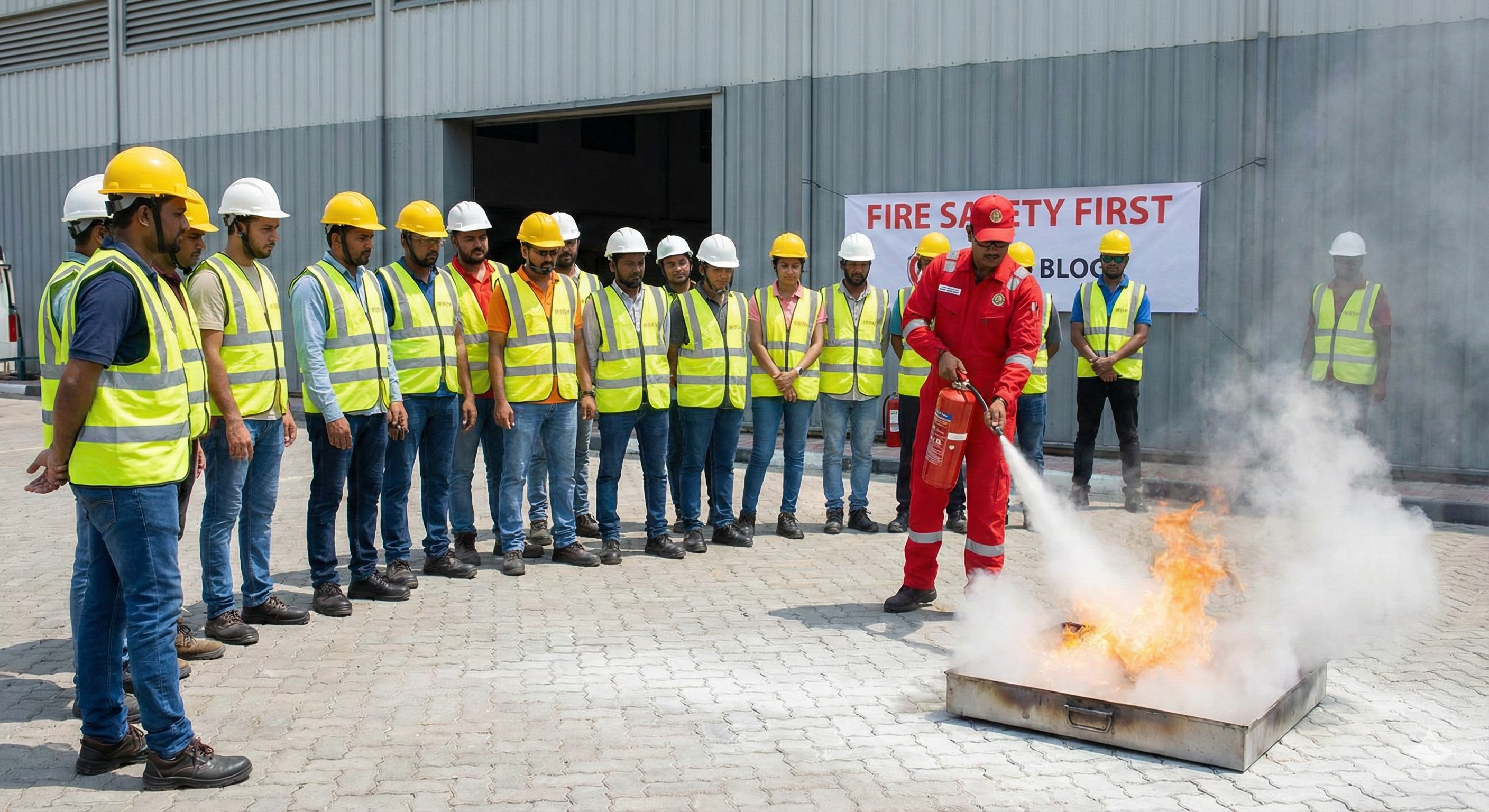
We have all been there: the fire alarm sounds, employees slowly stand up, grab their coats, and casually walk to the designated assembly point in the parking lot. They chat about their weekend, check their phones, and wait for the "all clear." While this meets the regulatory requirement for a headcount, it fails to address the most critical factor in a real emergency: panic.
In a real fire, there is smoke, deafening noise, and adrenaline. The casual stroll to the parking lot does not prepare an employee to make a split-second decision about whether to fight a fire or flee. Statistics show that workplace fires cause over $4 billion in property damage annually, often because small fires spiral out of control before they are suppressed.
The Gap Between Knowing and Doing
The fundamental flaw in traditional safety training is the gap between semantic memory (facts we are told) and episodic memory (experiences we have lived). Reading a manual or watching a video about the PASS technique (Pull, Aim, Squeeze, Sweep) creates a passive understanding. However, under stress, the brain defaults to muscle memory. If that muscle memory hasn't been established, panic sets in.
Traditional drills rarely allow employees to physically handle a fire extinguisher. As a result, many people do not know that using a water-based extinguisher on a grease fire (Class F) or an electrical fire (Class C) can result in an explosion or electrocution.
How VR Bridges the Gap: The Science of "Presence"
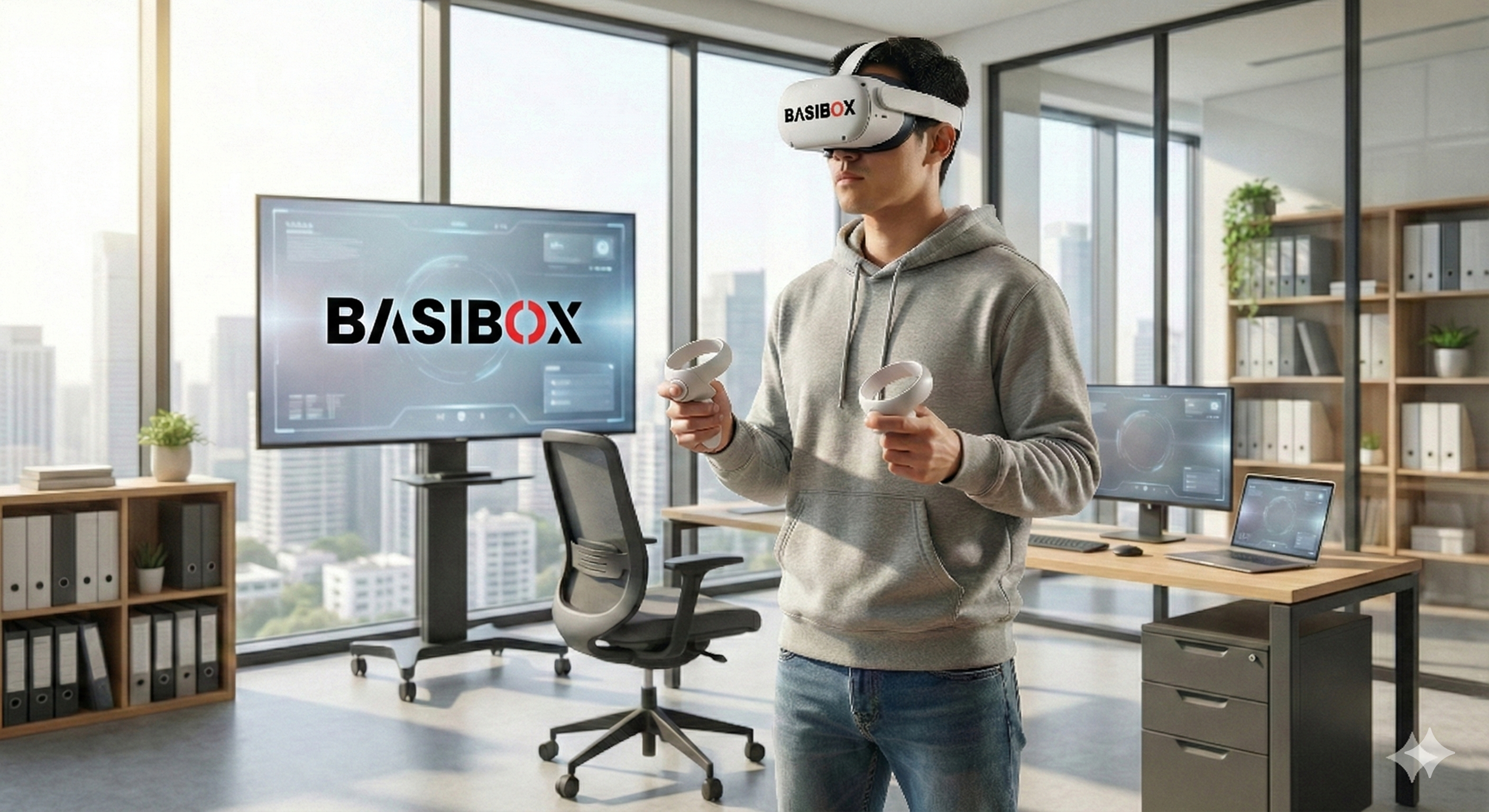
Virtual Reality (VR) changes the paradigm by creating "presence"—the neurological belief that you are actually in the situation. When a trainee puts on a VR headset, their brain reacts to the virtual fire as if it were real.
- Muscle Memory: In BASIBOX’s Fire Safety Training, users must physically reach out, pull the virtual pin, and aim the hose. This builds the physical neural pathways required for rapid response.
- Retention: Studies indicate that VR learners retain up to 80% of what they learn one year later, compared to just 10-20% for traditional classroom learning.
- Confidence: A PwC study found that VR-trained employees are 275% more confident in their ability to act on what they learned compared to their peers.
BASIBOX: Mastering Every Fire Class
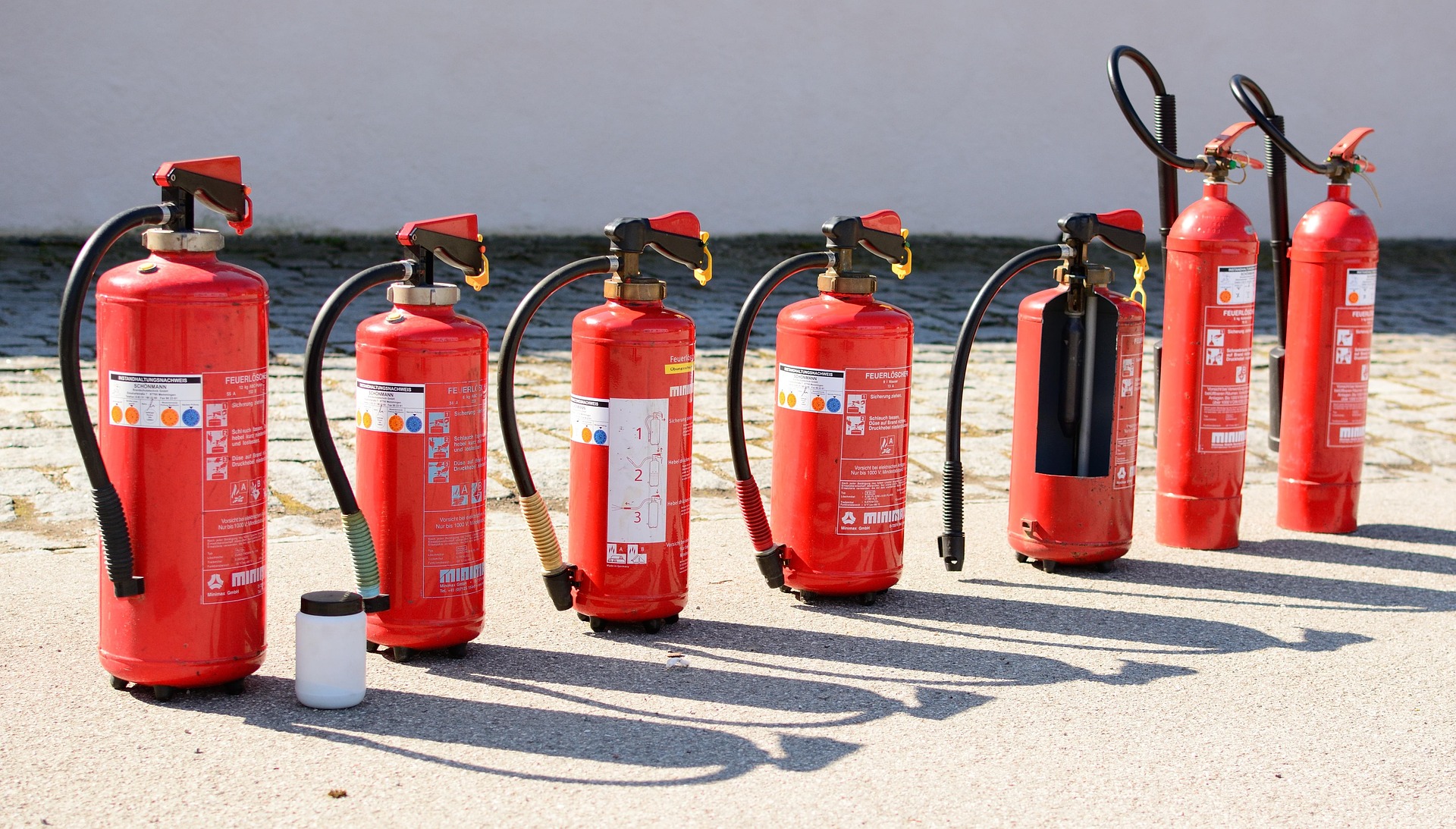
At BASIBOX, we go beyond simple evacuation. Our VR Fire Safety module allows your workforce to practice suppressing specific fire types that are relevant to your industry. Users learn to identify and select the correct extinguisher for:
- Class A: Ordinary combustibles (wood, paper).
- Class B: Flammable liquids.
- Class C: Electrical fires (simulating the danger of using water).
- Class D & F: Metal and cooking oil fires.
This "freedom to fail" is crucial. In VR, if an employee chooses the wrong extinguisher, they witness the virtual fire flare up. They learn the lesson instantly and safely, without risking injury or property damage.
The ROI of Safety
Switching to VR isn't just about safety; it's about efficiency. Traditional drills disrupt operations and require logistical planning. VR training is on-demand and significantly faster. Data shows that VR learners can complete training 4 times faster than classroom learners. This means less downtime for your team and a higher standard of safety for your facility.