The Split-Second Decision That Matters Most
In the event of a fire, the most critical decision happens before you pull the pin. It is the decision of which extinguisher to use.
Grabbing the nearest canister without checking the label is a common instinct, but it can be fatal. Using a water-based extinguisher on a grease fire (Class F) causes a violent explosion. Using conductive liquid on an electrical fire (often referred to as an electrical hazard) can electrocute the user.
Decoding the Alphabet of Fire
To save lives, employees must understand the classes of fire instantly. BASIBOX training modules cover the full spectrum:
- Class A: Solids like wood, paper, and textiles.
- Class B: Flammable liquids like gasoline or oil.
- Class C: Flammable gases (e.g., propane).
- Class D: Combustible metals (magnesium, titanium).
- Class F: Cooking oils and deep-fat fryers.
- Electrical Hazards: Fires involving live equipment.
Training the Brain to Choose
Traditional training often involves using a single type of extinguisher (usually CO2 or water) on a generic flame in a parking lot. This teaches the mechanics of squeezing the handle, but it fails to teach the decision-making.
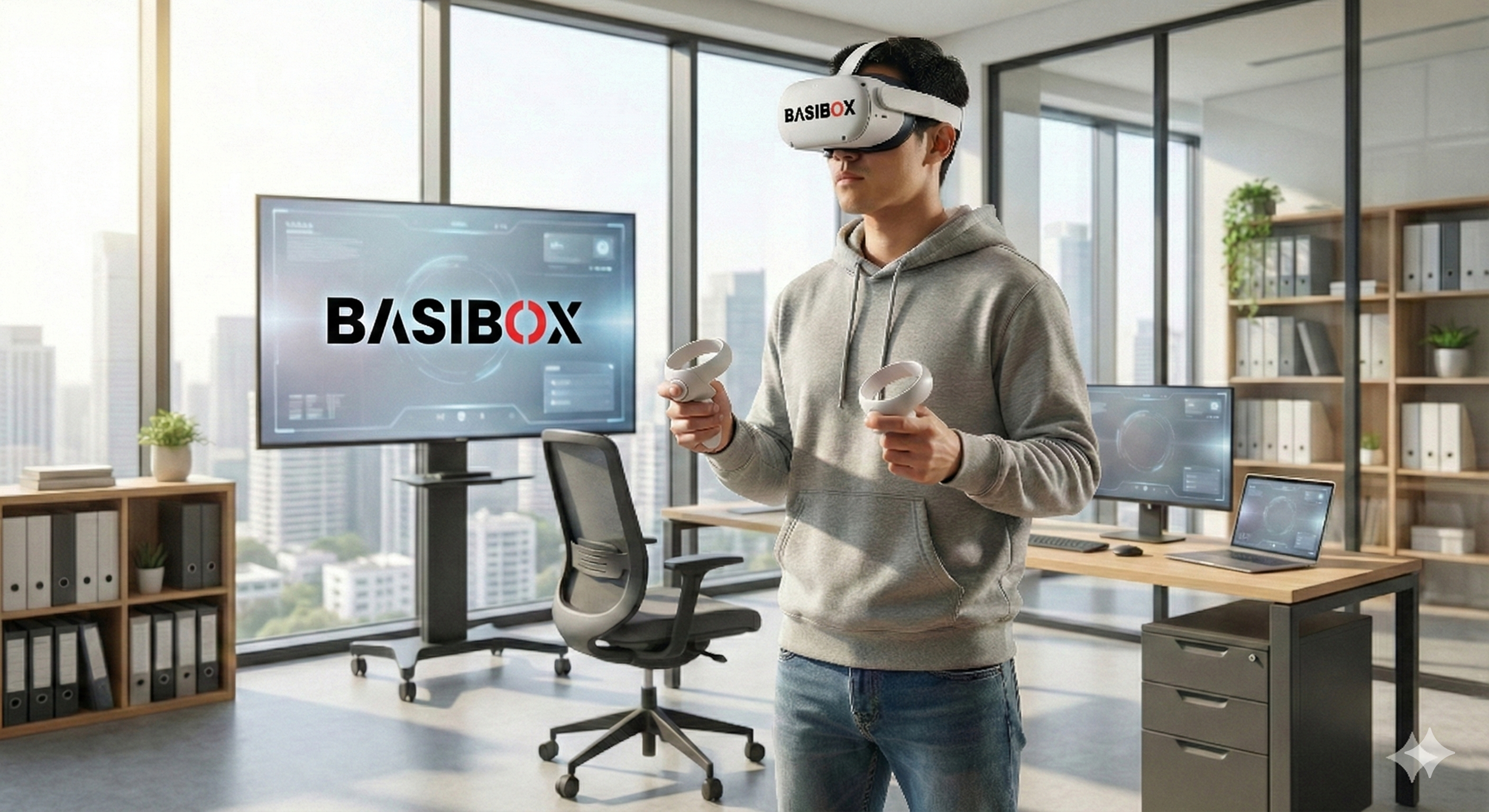
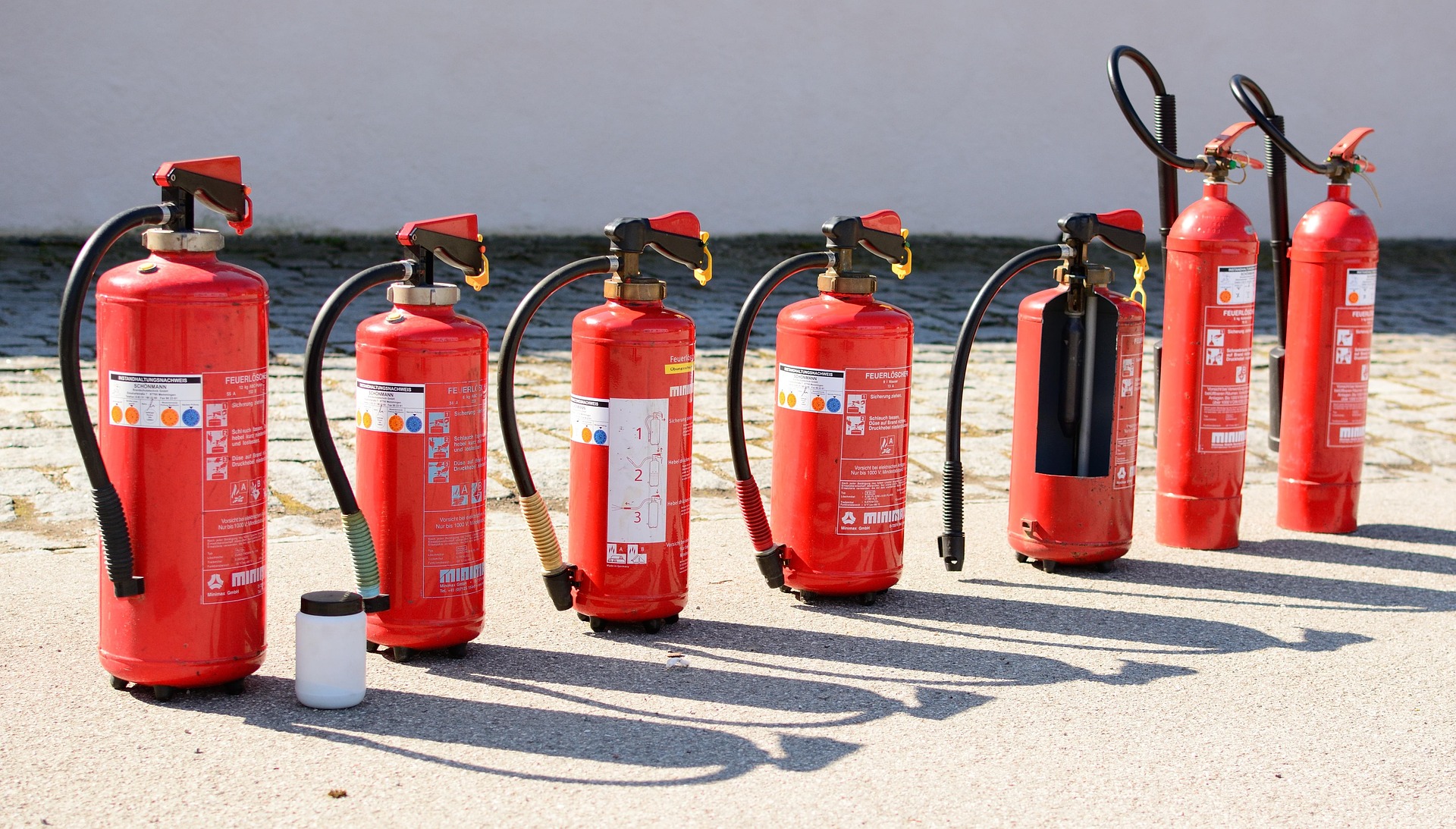
BASIBOX’s VR simulations force the user to make that choice. In our virtual environment, the trainee faces a specific fire type—perhaps a sizzling server rack or a burning trash can. They are presented with a wall of different extinguishers.
- If they choose correctly: They proceed to practice the PASS technique (Pull, Aim, Squeeze, Sweep) and extinguish the fire.
- If they choose incorrectly: They witness the consequence—the virtual fire flares up, or an electrical arc occurs.
Safe Failure Builds Competence
This "gamified" approach anchors the knowledge in the user’s mind. By simulating Class D (metal) and Class F (kitchen) fires—which are too dangerous to practice in real life—we ensure your workforce is ready for any threat, not just a burning cardboard box.