The Shift from "Compliance" to "Competence"
For decades, the goal of safety training was simple: compliance. Did the employee watch the video? Did they sign the sheet? In 2025, that standard is no longer enough. The industry is undergoing a massive shift toward demonstrated competence.
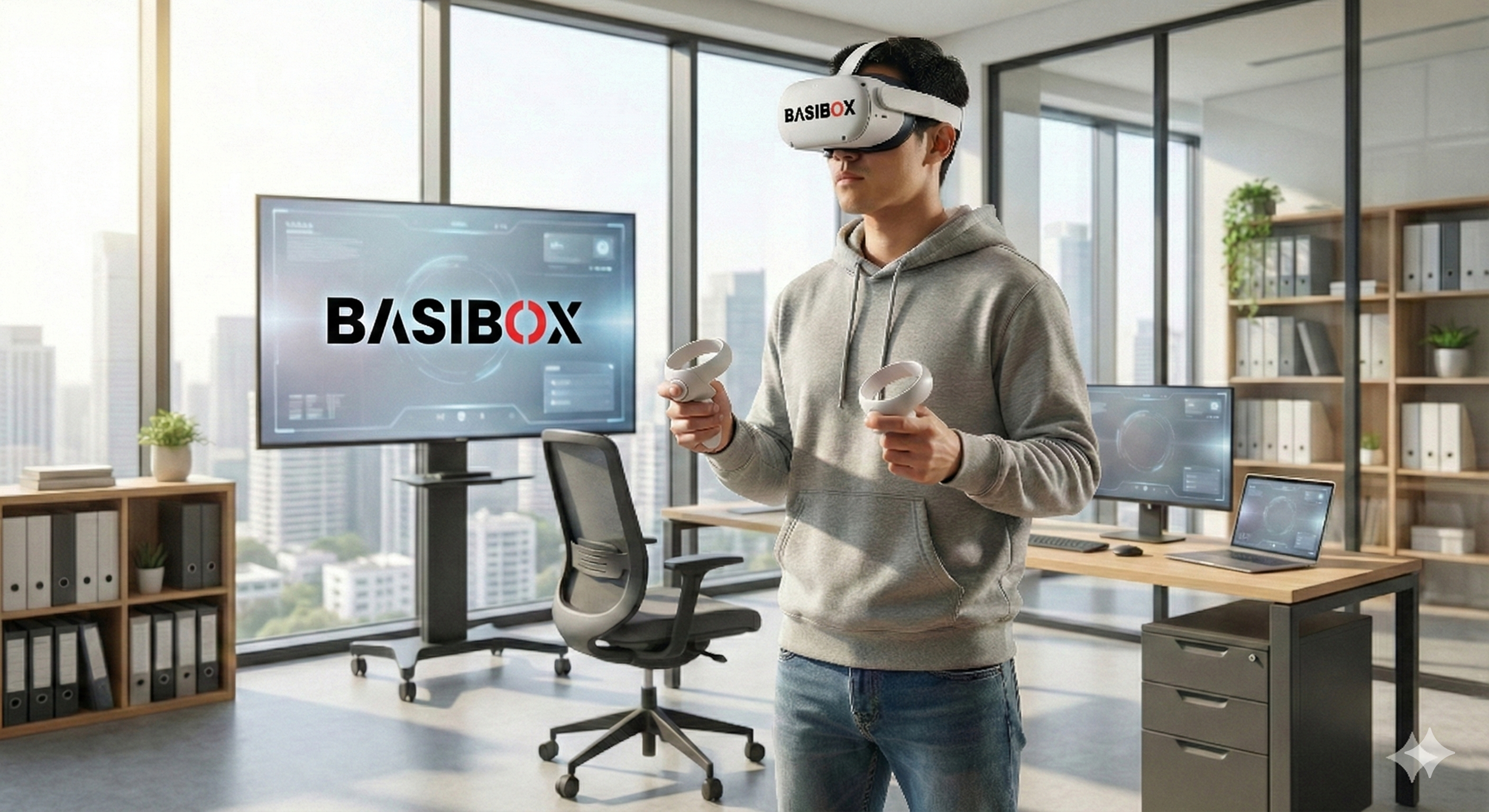
Regulators and insurance companies are beginning to ask a harder question: We know they took the course, but can they actually perform the task safely? Virtual Reality (VR) is the only technology that offers "proof of competence" by tracking not just test scores, but physical reaction times and decision-making accuracy under stress.
OSHA’s 2025 Focus: Heat and Respiratory Hazards
Looking ahead to 2025, OSHA is tightening regulations in key areas. Two major focus points are Heat Illness Prevention and Respiratory Protection.
- Heat Stress: With rising global temperatures, understanding the early signs of heat stroke is vital. VR simulations can train workers to recognize subtle visual cues of heat exhaustion in their colleagues before it becomes a medical emergency.
- Respiratory Protection: It’s not enough to hand someone a mask. 2025 standards emphasize the correct selection and fit of respirators. BASIBOX’s PPE module forces users to inspect and select the exact respiratory gear needed for specific chemical hazards, ensuring they are ready for these stricter audits.
The Rise of "Digital Twins"
Another trend defining 2025 is the concept of the "Digital Twin." Instead of training on generic machinery, workers train on a precise virtual replica of their specific facility. This allows new hires to master complex Lockout/Tagout (LOTO) procedures on a virtual machine that looks exactly like the one they will use on the factory floor, reducing ramp-up time to zero.
Future-Proof Your Safety Program
The workplace of the future is data-driven, immersive, and proactive. Sticking to PowerPoint in 2025 is like using a typewriter in the age of email. It works, but it puts you at a competitive disadvantage.